Use this 1RM calculator to estimate your one-rep max from any clean working set, then turn that result into practical workout percentages. Pick your lift, enter the weight and reps you completed, and get a full 50% to 95% training chart in pounds or kilograms.
1RM Calculator and Workout Percentage Chart
Use a challenging set of 1 to 30 technically clean reps. Your result is an estimate for planning, not a reason to test a true max without safe equipment and reliable form.
How This One Rep Max Calculator Works
This 1RM calculator uses the Epley equation: weight multiplied by one plus reps divided by 30. If you front squat 185 pounds for 5 clean reps, the estimate is about 216 pounds. That gives you a repeatable starting number for your next training block.
The estimate is most useful when the set is challenging and your technique stays consistent. A shortened squat, a bounced bench press, or a deadlift with a changing start position will make any one rep max calculation less useful.
How to Use Workout Percentages
| Percentage |
Best use |
Typical target |
| 50% to 60% |
Warm-ups and technique |
Easy, fast reps that sharpen the pattern |
| 60% to 70% |
Volume work |
Multiple controlled sets of 6 to 10 reps |
| 70% to 80% |
Strength-building volume |
3 to 5 sets of 4 to 8 reps |
| 80% to 90% |
Heavy strength work |
3 to 6 sets of 2 to 5 reps |
| 90% to 95% |
Peaking practice |
Singles or doubles with consistent setup |
Percentages guide the load; they do not replace judgment. If the bar speed drops or your position breaks, use the lighter number that lets you finish clean work. A training percentage only helps when it matches your readiness that day.
Use the Right Lift-Specific Tool
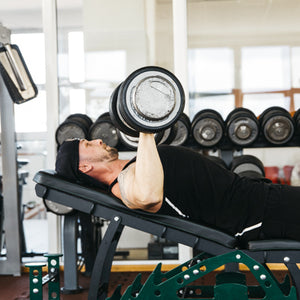
This page is the general one rep max calculator for bench press, squat, deadlift, overhead press, rows, and other barbell lifts. If your goal is only a better bench press estimate and a bench-specific percentage chart, use the bench press 1RM calculator instead.
For front-squat form before you calculate or test a working set, review the barbell front squat guide. Better movement quality makes your estimate more reliable and your training safer.
How to Get a Better 1RM Estimate
-
Use a recent top set. Choose a set completed in the last few weeks, not an old personal best from a different training phase.
-
Stay in the 1 to 10 rep range when possible. The calculator accepts up to 30 reps, but estimates are most useful when the set is challenging rather than endurance-limited.
-
Count only clean reps. Stop the set when your range of motion, setup, or bar path changes.
-
Round to available plates. Use the percentage table as a practical loading guide, not a demand for a number your gym cannot load.
-
Recalculate after progress. Update your number after you add meaningful reps or load with the same form.
Common One Rep Max Calculator Mistakes
Using a set that was not technically clean
A spotter touch, partial rep, or loose setup inflates the input. Use the best clean set, even if the number looks smaller.
Testing a true max too often
You do not need a weekly max to train productively. A hard working set and this 1RM calculator give you enough information to plan your next block.
Forcing a percentage on a poor recovery day
Percentages are estimates, not a contract. Adjust the load when sleep, fatigue, or warm-up performance says the planned number is too aggressive.
Ignoring the accessory work that supports the lift
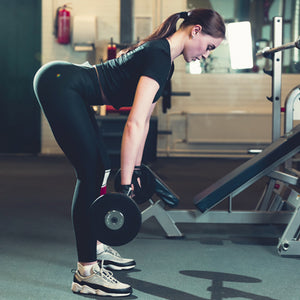
Strong pressing and squatting need upper-back, trunk, and single-leg work. The bent-over dumbbell row is one simple way to keep your pulling volume in the plan.
FAQ
What is a good 1RM calculator?
A good 1RM calculator uses a clean recent set, shows the estimated max clearly, and turns that number into practical training percentages. This page does all three for major barbell and dumbbell lifts.
How accurate is a one rep max calculator?
A one rep max calculator is an estimate, not a substitute for a supervised true max. It is most useful when you enter a challenging set of 1 to 10 clean reps.
Can you calculate 1RM from 10 reps?
Yes. Enter the load and 10 technically clean reps to get an estimated one-rep max. The result is a useful planning number for your next session.
Should you use pounds or kilograms?
Use the unit you train with. This calculator returns both the 1RM estimate and percentage chart in the unit you select.
What percentage of 1RM should you use for muscle building?
Most muscle-building work fits between 60% and 80% when you can keep the target muscle and movement pattern under control. The rep quality matters more than forcing a percentage.
What percentage of 1RM should you use for strength?
Most heavy strength work fits between 80% and 90% of an estimated 1RM. Start lighter when you are learning a lift or returning from time away.
Bottom Line
The best 1RM calculator is the one you use with honest inputs. Pick a clean recent set, use the estimate to choose practical workout percentages, and get stronger through repeatable reps instead of constant max attempts.
Related Training Guides






Leave a comment